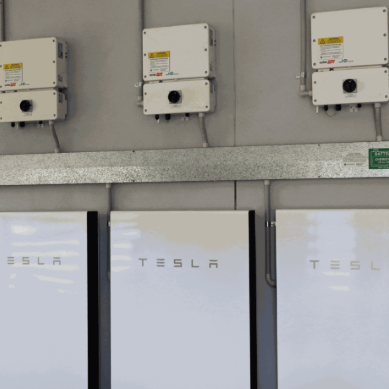
Battery storage has become an increasingly common addition to solar systems across New South Wales, and the Tesla Powerwall is one of the most recognised options homeowners consider when making that upgrade.
How the Powerwall fits with an existing solar system
A Powerwall stores excess solar energy generated during the day for use in the evening or overnight, reducing reliance on grid electricity during the hours when household usage is often at its highest.
Installing a Tesla Powerwall alongside an existing solar array requires compatibility checks with your current inverter setup, which is why working with an experienced local installer matters considerably during this process.
Not every existing solar system integrates smoothly with battery storage without some modification, so a proper site assessment before committing is essential to avoid unexpected compatibility costs later in the process.
Understanding the upfront investment
The cost of installation varies depending on system size, existing infrastructure, and installation complexity, so obtaining a detailed, itemised quote from a local installer is the best way to understand the real total cost involved.
Government rebates and incentives for battery storage change periodically, so checking current eligibility at the time of installation can meaningfully affect the overall cost of the project for NSW homeowners.
It is worth comparing the upfront cost against projected savings on electricity bills over time, since payback periods vary considerably depending on household energy usage patterns and current electricity tariffs.
Sizing the system correctly for your household
A Powerwall that is too small for a household’s typical evening usage will not deliver the full benefit expected, while an oversized system represents unnecessary upfront cost that takes longer to pay back.
A good installer will review actual household usage data, ideally from recent electricity bills, to recommend a system size that genuinely matches typical daily and seasonal consumption patterns.
Installation considerations specific to NSW homes
Local council requirements and any body corporate restrictions, particularly for units or townhouses, should be checked before committing to installation, since these can affect where and how a battery is physically installed.
Ventilation and placement requirements also matter, since batteries need to be installed in a location that meets safety standards while remaining reasonably accessible for any future maintenance or servicing needs.
What happens during a power outage
One of the most commonly asked questions is whether a Powerwall keeps the lights on during a blackout. With the right configuration, it generally can, though this depends on how the system is set up during installation.
Confirming backup functionality specifically during the quoting process is worthwhile, since not every installation is automatically configured to provide this feature without additional planning and equipment.
Ongoing maintenance and warranty considerations
Tesla Powerwalls come with a warranty covering a set number of years or a specified level of retained capacity, and understanding exactly what is and is not covered helps set realistic long-term expectations.
Checking an installer’s credentials through a resource like a web directory Australia before committing to a large purchase is a sensible step, particularly for a significant home investment like battery storage.
Routine maintenance requirements are generally minimal compared with other home systems, though periodic checks by a qualified technician help ensure the system continues performing as expected over its full lifespan.
Weighing the decision for your household
For households with high evening electricity usage or frequent outages in their area, a Powerwall often makes strong financial and practical sense, particularly when paired with an appropriately sized solar system.
For households with lower energy usage or already low electricity bills, the payback period may be longer, making it worth running the numbers carefully before committing to the investment.
Making a confident decision
Speaking with a local, experienced solar and battery installer, rather than relying purely on generic online calculators, gives NSW homeowners the clearest and most accurate picture of whether a Powerwall suits their specific situation.
With the right sizing, installation, and understanding of ongoing costs, a Powerwall can be a genuinely valuable long-term addition to a household’s energy setup across the varied conditions found throughout NSW.
Comparing battery options before deciding
While the Powerwall is a popular choice, it is not the only battery option available, and comparing features, warranty terms, and pricing across a few different brands helps confirm it is genuinely the right fit.
Asking an installer to explain the practical differences between options, rather than simply recommending the brand they stock, gives a clearer, more independent basis for the final decision.
Timing the installation around your solar system
Households installing solar and battery storage together often have more flexibility in system design than those retrofitting a battery onto an older, established solar array with more limited configuration options.
For homes with an ageing solar system nearing the end of its efficient lifespan, it may be worth considering whether an upgrade to the solar panels themselves alongside the battery makes better long-term financial sense.
Final considerations before committing
Reading the fine print on warranty terms, installation guarantees, and after-sales support is just as important as comparing the upfront price when choosing between installers offering similar battery packages.
A well-chosen installer, backed by a properly sized and configured system, gives NSW homeowners the best chance of a smooth installation and years of reliable, genuinely beneficial battery performance.
Taking the time to compare options and ask the right questions upfront pays off considerably over the working life of the system, which for most households spans well over a decade of daily use.
For NSW homeowners already generating solar power, adding battery storage is often the next logical step toward genuine energy independence, provided the decision is made with realistic expectations and proper local advice.
With energy prices unlikely to fall significantly in the years ahead, more households across the state are likely to view battery storage not as a luxury upgrade but as a practical, worthwhile investment in long-term energy security.