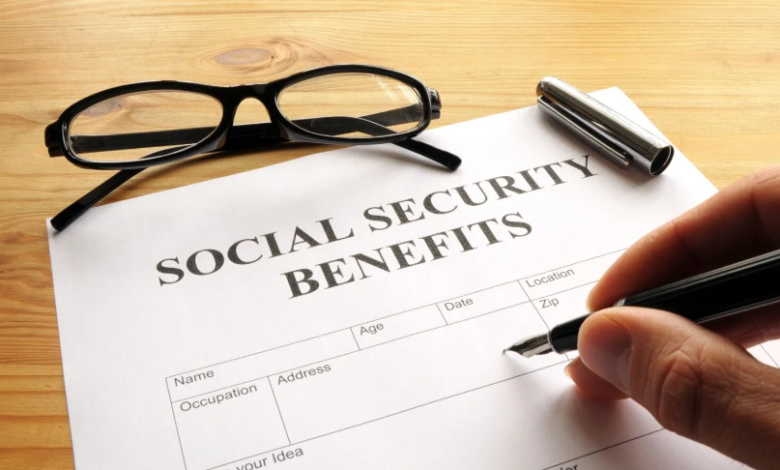
If you are a U.S. citizen and are worried about government shutdowns affecting your social security or disability payments, you shouldn’t be. The system in place is complex, but the entitlement section of the government is shielded from year-to-year financial problems caused by operating budgets.
When you hear about a government shutdown caused by politicians from both sides of the isle failing to come together you may wonder what all is affected by this. These situations are in regard to the yearly operating budget of the U.S. government. Mainly, these issues affect federal employees.
“The Social Security system operates independently from these budgets”, said Maria, a disability attorney in Melbourne, Florida. “These systems have been in place for many decades and funding comes directly from the people. You have been paying into this system your entire working life. The system is not funded by yearly budgets.”
Legal representation can help you navigate the process of obtaining these benefits for yourself. But you can also file an application online. The process is free but not always easy. If your case is complex or there is a large amount of evidence to include, you may want to look into hiring an attorney.
Further Explaining the Structure of Social Security Disability
Social Security benefits are classified as mandatory spending (also called entitlement spending), not discretionary spending. Discretionary programs rely on annual appropriations from Congress. When Congress fails to pass funding legislation, those programs and agencies largely shut down or furlough employees (e.g., many non-essential federal operations).
Mandatory programs like Social Security are funded automatically through permanent appropriations and dedicated trust funds (primarily the Old-Age and Survivors Insurance Trust Fund and the Disability Insurance Trust Fund). These are financed mainly by payroll taxes (FICA taxes) collected from workers and employers, not by yearly congressional appropriations.
There is also legal protection in place — a 1996 law (related to protecting Social Security and Medicare trust funds) helps ensure that benefit obligations are met even in funding lapses or related fiscal crises.
See also: Advancements in Metal Bending Technology
However, a government shutdown does affect some aspects of the SSA:
- Non-essential services are limited or paused, such as processing new benefit applications, appeals, issuing replacement cards, handling in-person requests for benefit verification letters, updating earnings records, or providing certain customer service.
- Field offices may operate with reduced staffing (many employees are “excepted” to continue critical payment-related work, but others are furloughed).
- Wait times for phone support, online processing backlogs, or in-person help can increase significantly.
- In very prolonged shutdowns, some expected services might be scaled back further due to staffing strains.
In summary, if you’re already receiving Social Security benefits, your monthly checks (or direct deposits) keep coming without delay — that’s the key reason the system as a whole isn’t “affected” in the way many other government functions are. For the most up-to-date details during any active lapse, check official SSA announcements at ssa.gov.
Government shutdowns may slow down the process of reviewing new applications but that is where it ends.