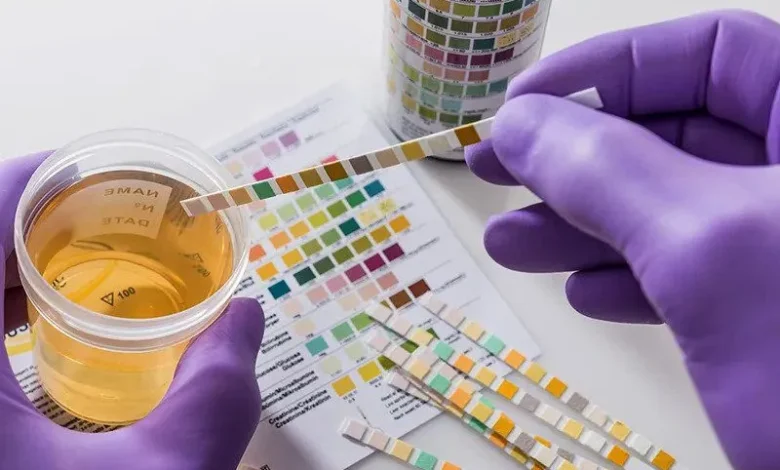
Urine drug testing is one of the most reliable and widely available methods for detecting drug use in recent years in clinical, workplace, and legal settings. The precision and the ability to identify many different drugs have turned it into a common procedure for constantly monitoring either drug users or those who opt for drug-free living. For individuals undergoing addiction treatment, urine drug testing plays an essential role in guiding clinical decisions and tracking progress throughout recovery.
What Shows Up in a Urine Drug Test
A standard urine drug test can identify multiple categories of substances. Depending on the type of panel used, results may show:
- Opioids (heroin, morphine, codeine, oxycodone, hydrocodone)
- Stimulants (cocaine, methamphetamine, amphetamine)
- Benzodiazepines
- Marijuana/THC
- Alcohol metabolites
- Barbiturates
- Synthetic or prescription drugs such as methadone, buprenorphine, or fentanyl, if included in the testing panel.
Not all tests detect every substance. Clinics and organizations often choose customized panels based on their needs. Expanded panels may include synthetic cannabinoids, MDMA, ketamine, or other emerging substances of concern.
Detection Times for Common Substances
The detection window for each drug varies based on factors such as metabolism, frequency of use, hydration levels, and the specific test panel. Below are general detection ranges:
- Marijuana (THC):
- Occasional use: 1-3 days, Regular use: up to 10 days
- Heavy, long-term use: 30 days or more
- Cocaine: 1-3 days
- Methamphetamine/amphetamines: 2-4 days
- Opioids:
- Heroin/morphine: 1-3 days
- Oxycodone: 1-4 days
- Benzodiazepines: 3-10 days, longer for chronic users
- Alcohol metabolites (EtG): up to 72 hours
- Methadone: 2-7 days
- Buprenorphine: up to 11 days
- Fentanyl: 1-3 days
These timelines are estimates. Personal metabolism and usage habits are the main factors affecting the duration of a drug’s detectability.
Urine Drug Testing Process Explained
How the Urine Drug Testing Process Works
1. Collection Procedure
The patient is supposed to give a urine sample in a controlled place. The location may have some controls against tampering, for example, temperature checks or supervised collections, depending on the testing requirements.
2. Initial Screening
The sample is tested using an immunoassay, which is a fast process that identifies the existence of drug metabolites.
3. Confirmatory Testing
In case the initial test is positive, the sample is sent for confirmatory testing to a certified laboratory, usually using gas chromatography-mass spectrometry (GC-MS) or liquid chromatography-tandem mass spectrometry (LC-MS/MS). These tests not only eliminate false positives but also yield highly accurate results.
4. Review and Interpretation
A medical review officer (MRO) might look into the test results, especially if prescription drugs might be the cause of the positive result. After that, the final report is sent to the organization or clinician who requested the test.
Companies such as MAT Clinics, which specialize in comprehensive outpatient addiction treatment, are among those that work with urine drug testing to support long-term recovery.
Conclusion
Urine drug testing is still a reliable and widely accessible method that can be used for both the detection of substance use and the validation of clinical decisions. No matter if it is for medical treatment, employment screening, or legal compliance, the entire process is meant to be precise, private, and just. By knowing the drugs that can be detected in these tests, the duration of their detectability, and the testing procedure, the people concerned would be in a position to overcome the experience with more clarity and confidence. Urine drug testing, when incorporated into addiction treatment, fosters a supportive and open environment that keeps recovery on track.