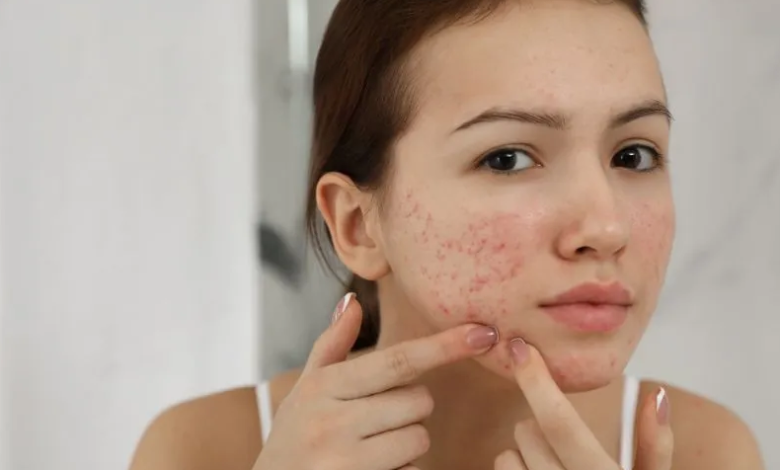
If you’ve ever asked how long does a pimple last, you should first understand the lifecycle of acne can help you manage breakouts more effectively. Pimples can vary in duration depending on their type, severity, and your skincare habits, making it essential to know what to expect. In this article, we’ll break down the stages of a pimple, factors that influence healing, and practical tips to keep your skin clear and healthy.
What Causes Pimples?
Pimples occur when the natural balance of your skin is disrupted. The main causes involve oil production, clogged pores, and bacteria:
- Excess Oil (Sebum) Production
Sebum is the natural oil your skin makes to stay hydrated and protected. Sometimes, your skin makes too much oil. This can happen because of:
- Hormonal changes: During puberty, menstruation, pregnancy, or hormonal disorders.
- Stress: Stress can trigger hormones that increase oil production.
- Diet: Eating a lot of sugar or dairy may cause more oil in some people.
Too much oil can mix with dead skin cells and clog pores, which is often the first step in forming pimples.
- Clogged Pores
Your skin naturally sheds dead cells, which usually fall off on their own. But when these cells mix with extra oil, dirt, makeup, or sweat, they can block your pores. Blocked pores trap oil and bacteria, which can lead to whiteheads, blackheads, or red, inflamed pimples.
- Bacteria
When pores are clogged, bacteria like Propionibacterium acnes can grow quickly. Your body’s immune response to these bacteria causes redness, swelling, and inflammation, which forms a pimple.
Pimples form when too much oil, clogged pores, and bacterial growth come together, triggering inflammation. Understanding these causes helps in preventing and treating acne effectively.
Stages of a Pimple
Pimples form in several stages, each with specific changes in the skin:
- Formation Stage (1–2 Days)
- What happens: Excess oil, dead skin cells, and sometimes bacteria block a hair follicle. This creates a tiny, invisible clog called a microcomedone.
- Result: The blocked pore sets the stage for a pimple to develop.
- Inflammation Stage (2–5 Days)
- What happens: Bacteria grow inside the clogged pore. Your immune system responds to fight the bacteria.
- Result: The area becomes red, swollen, and tender, forming visible pimples like papules or pustules.
- Healing & Recovery Stage (5–10 Days)
- What happens: The immune system fights the infection, and the skin begins to repair itself.
- Result: The pimple shrinks, scabs may appear, and redness fades. Sometimes, post-acne marks or dark spots remain.
Understanding these stages helps you treat pimples effectively, avoid picking at them, and reduce the risk of scarring.
Types of Acne and Their Healing Durations
- Whiteheads
Whiteheads are closed pores filled with oil and dead skin cells. They appear as small, white bumps and are non-inflammatory, meaning they aren’t red or swollen. They usually heal within 1–2 weeks, and gentle cleansing along with mild topical treatments can help clear them up. Whiteheads rarely cause pain or scarring.
- Blackheads
Blackheads are open pores filled with oil and dead skin cells. Their surface turns dark because of exposure to air, giving them a black or dark appearance. They are non-inflammatory, so they aren’t red or swollen. Blackheads usually clear up within 1–2 weeks with regular cleansing, gentle exfoliation, and products that help unclog pores.
- Papules
Papules are small, red or pink bumps that form when clogged pores become inflamed. They can be tender to the touch. Papules usually take a few weeks to heal because of the inflammation, but using anti-inflammatory or spot treatments can help them clear up faster.
- Pustules
Pustules are bumps similar to papules but filled with pus, giving them a white or yellow tip. They are often red and inflamed. Pustules usually take a few weeks to heal. Using spot treatments can help reduce swelling and speed up recovery, but avoid squeezing them to prevent scarring.
- Nodules
Nodules are deep, hard lumps under the skin caused by strong inflammation. They are often painful and last a long time. Nodules usually take several weeks to heal and often need professional treatment, like prescription medicine or dermatology procedures, to prevent scarrin
- Cysts
Cysts are large, painful lumps under the skin filled with fluid. They are caused by severe blockages and inflammation, last several weeks, and usually need medical treatment to heal properly. If left untreated, they can leave scars.
Knowing how long each type of acne usually lasts helps you manage expectations, avoid unnecessary picking, and seek professional treatment when needed to prevent scarring or long-term marks.
See also: Empower Your Health: Benefits of Home Thyroid Blood Testing
Do’s and Don’ts for Faster Healing
Dos for Faster Pimple Healing
- Use pimple patches early: Apply them as soon as you notice a breakout. They protect the pimple from bacteria and dirt, draw out impurities, and reduce inflammation.
- Use gentle cleansers: Clean your skin without stripping away natural moisture to help it heal properly.
- Keep skin moisturized: Even during breakouts, hydration helps your skin heal, lowers redness, and prevents irritation. Use a light, non-comedogenic moisturizer.
Don’ts for Pimple Care
- Don’t pick or squeeze pimples: This can cause swelling, scars, and spread bacteria, making healing slower.
- Don’t overuse drying products: Overusing benzoyl peroxide or alcohol-based toners can irritate and dry out your skin.
- Don’t skip SPF: Sun protection is crucial while your skin heals. UV rays can slow recovery, cause dark spots, and worsen breakouts. Use at least SPF 30, even indoors.
Prevention Tips
Preventing acne involves a combination of daily skincare and healthy lifestyle habits.
Daily Skincare
- Cleanse Twice a Day: Wash your face in the morning and evening to remove excess oil, dirt, and impurities.
- Exfoliate Gently: Use a mild exfoliant to remove dead skin cells that can clog your pores. Be careful to avoid harsh scrubbing, as it can irritate your skin and make acne worse.
- Keep Skin Hydrated: Use a light, non-comedogenic moisturizer to protect your skin’s natural barrier and maintain balance.
Healthy Lifestyle Habits
- Watch Your Diet: Reduce intake of sugar and dairy, as these can sometimes trigger breakouts.
- Stay Hydrated: Drink plenty of water to help your skin stay healthy and clear from within.
- Manage Stress: Stress can trigger pimples. Practice meditation, yoga, or other relaxing activities to keep stress levels in check.
Consistent skincare combined with a healthy lifestyle helps prevent pimples, reduce breakouts, and keep your skin clear and balanced.
When to See a Dermatologist
You should consult a dermatologist if your acne shows any of the following signs:
- Your acne is severe, painful, or spreading quickly.
- Pimples don’t improve after a few weeks of home treatment.
- You notice scarring, dark spots, or persistent redness.
- Over-the-counter products cause irritation or aren’t effective.
- You have acne along with other skin issues that need professional care.
Why Seeing a Dermatologist Helps
- Provides prescription treatments for faster and more effective results.
- Reduces the risk of scarring or long-term marks.
- Identifies any underlying hormonal or health issues contributing to acne.
If acne is severe, persistent, causing scars, or not responding to home care, seeing a dermatologist ensures proper treatment and healthier skin.