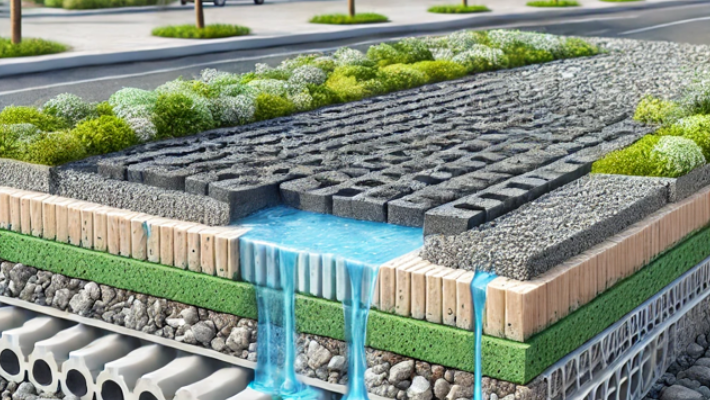
Efficient drainage and soil stabilization are essential in construction, civil engineering, and landscaping projects. Poor water management can lead to soil erosion, structural instability, and premature deterioration of infrastructure. To address these challenges, engineers use advanced materials that enhance water flow, reinforce soil, and extend the life of projects.
One such material is geonets. These specialized synthetic networks are designed to improve subsurface drainage, reduce hydrostatic pressure, and maintain soil integrity. Their unique structure allows water to move efficiently while supporting heavy loads, making them a key component in modern construction techniques.
Understanding the Importance of Drainage
Water accumulation in soil can cause several problems, including:
• Soil erosion and sediment displacement
• Increased lateral pressure on retaining structures
• Settlement and instability in foundations
• Reduced lifespan of pavements and embankments
Proper drainage solutions are critical for maintaining structural stability and ensuring long-term performance.
What Are Geonets?
Geonets are three-dimensional, net-like structures made from high-strength polymers. They are designed to provide a continuous pathway for water to flow, preventing water accumulation in soil layers. Unlike traditional drainage systems, geonets combine strength and permeability, allowing them to function effectively under heavy loads while maintaining flow capacity.
Key Features of Geonets
• High tensile strength to withstand compressive loads
• Excellent flow capacity for subsurface drainage
• Durable and resistant to chemical and biological degradation
• Lightweight and easy to install
These properties make geonets ideal for a wide range of civil engineering and landscaping applications.
Applications of Geonets
Geonets are versatile and can be applied in multiple projects where drainage and soil stability are critical.
Roadways and Pavement Systems
Subgrade soils beneath roads and pavements are often susceptible to waterlogging, which can weaken their structural capacity. Installing geonets beneath pavement layers improves drainage, reduces hydrostatic pressure, and enhances load distribution, extending the lifespan of the road.
Retaining Walls and Slopes
Retaining walls and slopes are exposed to lateral soil pressure and water accumulation. Geonets can be installed behind retaining structures to channel water away, reduce lateral stress, and prevent erosion, ensuring safer and more durable constructions.
Landfills and Waste Containment
In waste management projects, geonets are used as part of drainage layers to prevent water accumulation and control leachate movement. This helps maintain stability and protect the surrounding environment from contamination.
See also: Find the Best Business Software and Services for a Positive Business Journey
Roof Gardens and Green Infrastructure
Geonets are increasingly used in urban landscaping for roof gardens and green infrastructure projects. They provide drainage, support soil layers, and prevent waterlogging, allowing vegetation to thrive and reducing stress on structural elements.
Installation Guidelines
The performance of geonets depends on proper installation. Correct placement and preparation are essential to maximize their effectiveness.
Site Preparation
Clear the area of debris, roots, and sharp objects. A smooth surface ensures that the geonet functions efficiently and maintains its structural integrity under backfill.
Placement and Orientation
Lay geonets according to the manufacturer’s guidelines, ensuring continuous flow paths. Proper alignment and overlap prevent water bypass and maintain drainage efficiency.
Backfill and Compaction
Use clean, free-draining backfill material to maintain water flow through the geonet. Gradual compaction ensures that the geonet is not crushed and continues to perform as intended.
Durability and Longevity
Geonets are manufactured from polymers that geonets are resistant to chemical attack, UV exposure, and biological degradation. When installed correctly, they maintain their structural integrity and drainage capacity for decades, reducing maintenance costs and improving project sustainability.
Cost Efficiency and Value
Although the initial investment in geonets may be higher than traditional drainage methods, the long-term benefits are significant. They reduce water-related damage, prevent soil instability, and extend the lifespan of infrastructure. Additionally, their lightweight design and ease of installation can lower labor costs and project timelines.
Common Mistakes to Avoid
To ensure geonets perform optimally, avoid these common errors:
• Using inappropriate types of geonets for the soil and load conditions
• Poor site preparation and insufficient debris removal
• Incorrect placement or insufficient overlap
• Using unsuitable backfill material that may clog the geonet
Adhering to proper installation standards ensures maximum performance and durability.
Environmental Benefits
Geonets help manage stormwater, reduce soil erosion, and control sediment runoff. Their use in green infrastructure projects supports sustainable urban development by improving water management and reducing environmental impact.
Conclusion
Effective drainage and soil stabilization are critical for long-term project success. Geonets provide an efficient solution by channeling water away, reinforcing soil, and maintaining structural integrity under heavy loads. Their versatility and durability make them suitable for roads, slopes, retaining walls, landfills, and green infrastructure.
When installed properly, geonets offer reliable, cost-effective, and long-lasting performance. Incorporating these materials into construction and landscaping projects ensures resilient structures that withstand mechanical and environmental stresses for decades.